1. The remote tropics will break you… To survive and thrive as an NGO in the field in West Papua takes resilience, patience, good humour and sheer will.
2. Tourism walks a fine line here. Each time I travel to West Papua I have to go further to escape what I’ve come from… Despite our best intentions, almost all of us leave a lot more than footprints and take a lot more than photographs.
3. We need to rethink our funding models… We spend way too much on talking at the expense of doing.
My last thought is that we should see the reefs while we can…
Over the last few weeks I’ve been documenting my travels with The SEA People and their work to protect Raja Ampat’s reefs. This is my last diary entry.
Day Fourteen
I’m sitting in Sorong airport waiting for my flight to Jakarta. I’m asking myself two questions.
How is it that an airport in West Papua has covered walkways to the planes but Hobart’s still doesn’t?
Is it ironic that the gateway to the most marine biodiverse place on earth has a display aquarium full of goldfish?
I grab a window seat and stare out. I love this flight. Once I struck up a still formative conversation for me about Islam with the guy in the next seat.
The small islands and reefs of Raja unfold and I think of all the places I haven’t been, wondering what’s over there … and there … and there. I’m also smiling at the thought of heading home to my family.
The hours in between give me time to think through my top three takeaways from the trip.
1. The remote tropics will break you. My underwater camera housing is now held together with super glue. One of my ‘good camera’ lenses rattles. The coating came off the wheels on my roller bag. My dive watch has permanent depth anxiety. And every expat I met had cuts or rashes that were red and angry and desperate to infect. To survive and thrive as an NGO in the field in West Papua takes resilience, patience, good humour and sheer will. Multiply all that by two when you’re living and working from a boat restoring reefs.
2. Tourism walks a fine line here. Each time I travel to West Papua I have to go further to escape what I’ve come from. It’s still possible to have a unique experience off grid but tourism is coming and where it’s already been the environment isn’t as good as it used to be. Despite our best intentions, almost all of us leave a lot more than footprints and take a lot more than photographs.
3. We need to rethink our funding models. Throughout my trip I’ve been struck by how far a little money can go here. For the cost of a few airfares to the next international oceans conference you could fund action to protect breeding leatherback and ensure rangers can patrol Raja Ampat’s first MPA every day. We spend way too much on talking at the expense of doing.
My last thought is that we should see the reefs while we can. We should lean back in the water with our eyes open and our arms extended and drink them in and burn them into our memories. And we should view them carefully and with quiet reverence.
Coral reefs are disappearing. Climate change is exacerbating the pressures we already put them under and across the globe they’re showing the signs. We need to ignore the political and tourist industry rhetoric because even in Australia, reefs like Ningaloo and the GBR are no longer and will never be again what they once were.
We need to do more than just talk about them. We need to go see them and love them and invest in them now. Right now.
Source: LinkedIn | Greg Johannes
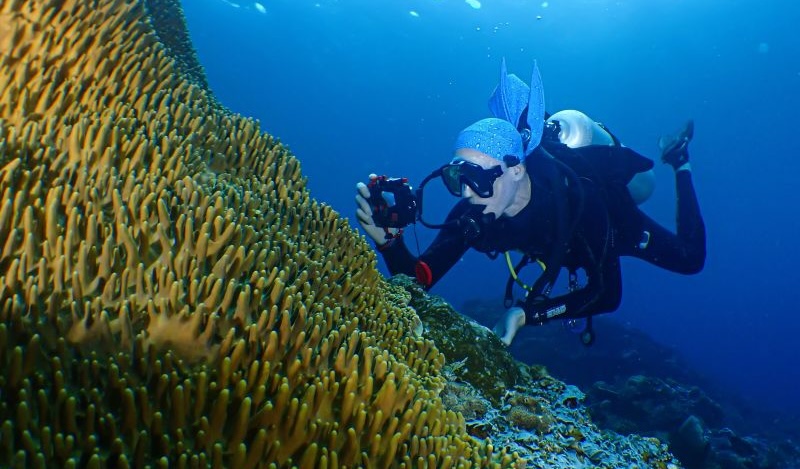
Photo: Arnaud Brival
Past Entries:
About The Author: Greg Johannes, Ambassador – The SEA People. Greg spent 2 weeks aboard the Galaxea with us and documented his experience in his daily entries into ‘The SEA People Diaries’.
Day 13 – Read here
Day 12 – Read here
Day 11 – Read here
Day Ten – Read here
Day Nine – Read here
Day Eight – Read here
Day Seven – Read here
Day Six – Read here
Day Five – Read here
Day Four – Read here
Day Three – Read here
Day One and Two – Read here
Day Zero – Read here