CORAL REEFS: THE RAINFORESTS OF THE SEA
Raja Ampat: The Amazon of the OceanCoral reefs, frequently referred to as the “rainforests of the sea,” represent the most biodiverse ecosystems on Earth. It is estimated that approximately 25% of all marine species are directly dependent on coral reefs for their survival. These complex and vibrant marine environments are crucial not only to the health of the oceans but also to millions of people, serving as vital sources of food, livelihoods, coastal protection, and cultural heritage.
In the Coral Triangle, Raja Ampat exemplifies this reality. With 75% of the world’s known coral species found in the region, it is widely considered a global stronghold for marine biodiversity. However, much like other coral reef systems globally, the reefs of Raja Ampat are increasingly vulnerable to anthropogenic stressors past and present, including climate change, overfishing, and the impacts of tourism and associated development.
Raja Ampat’s coral reefs
An Ecosystem Like No Other
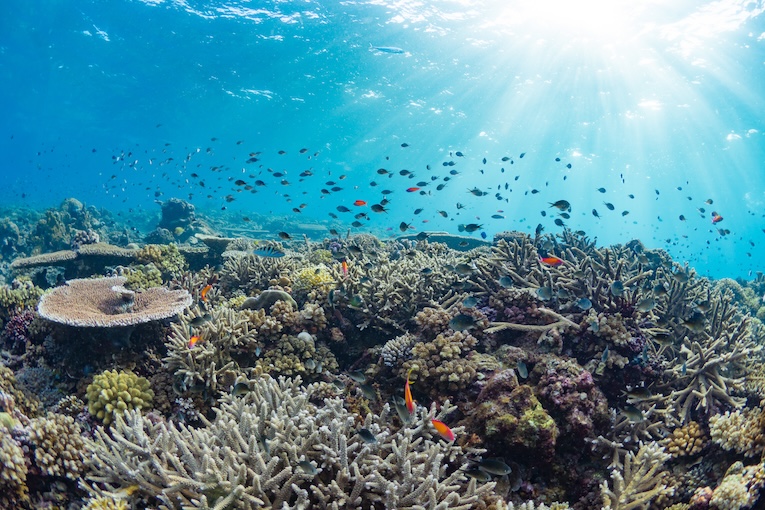
The coral reefs in Raja Ampat’s are known to be the most biodiverse marine ecosystem on the planet. For those fortunate enough to explore this underwater environment, it offers an unparalleled display of biodiversity—a vibrant symphony of colours, textures, and species interactions.
The biological diversity found in Raja Ampat is extraordinary; coral species alone manifest in hundreds of different forms, ranging from the delicate staghorn corals to massive brain corals. In just a single reef, it is possible to encounter up to 750 distinct coral species, reinforcing Raja Ampat’s standing as a sanctuary of global marine significance. The structural complexity of these coral ecosystems creates intricate habitats where thousands of species coexist. Within these living frameworks, countless organisms—including algae, sponges, molluscs, marine worms, fish, and echinoderms—inhabit and interact, each playing a critical role in maintaining the ecosystem’s overall health and stability.
Beyond this, coral reefs act as vital feeding and breeding grounds that support marine life well beyond their immediate boundaries. Fish species that spend part of their life cycles on the reef, such as juvenile fish, later migrate to open waters, supporting larger predators like tuna, sharks, and dolphins. These interactions extend the reef’s influence across vast marine areas, sustaining the health of entire ocean ecosystems. In this way, coral reefs not only contribute to the biodiversity of their own habitats but also underpin the productivity and balance of marine life across the oceans.
Raja Ampat’s
Protected, Endangered & Endemic Species
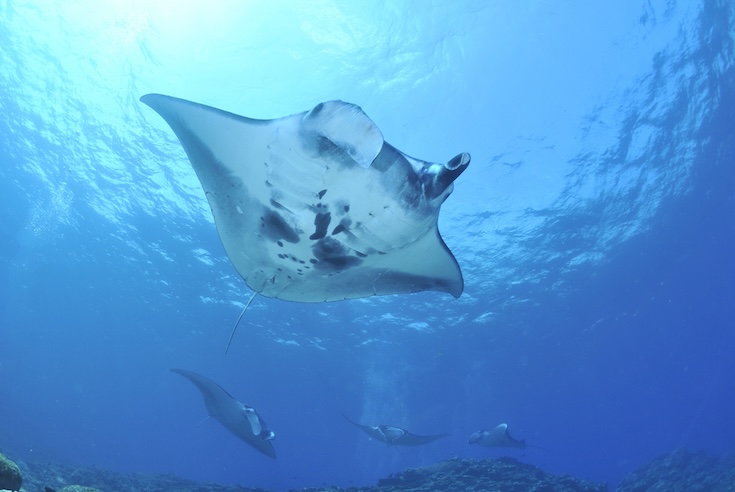
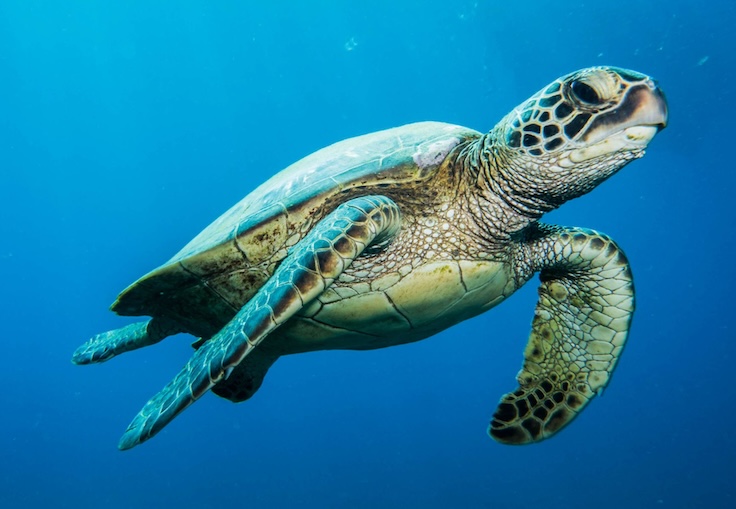
Raja Ampat is a sanctuary for a remarkable range of protected, endangered, and endemic species. Among its marine treasures are six of the world’s seven species of sea turtles, both reef and oceanic manta rays, as well as dugongs and a variety of marine mammals. These species, many of which are threatened, rely on Raja Ampat’s reefs for survival.
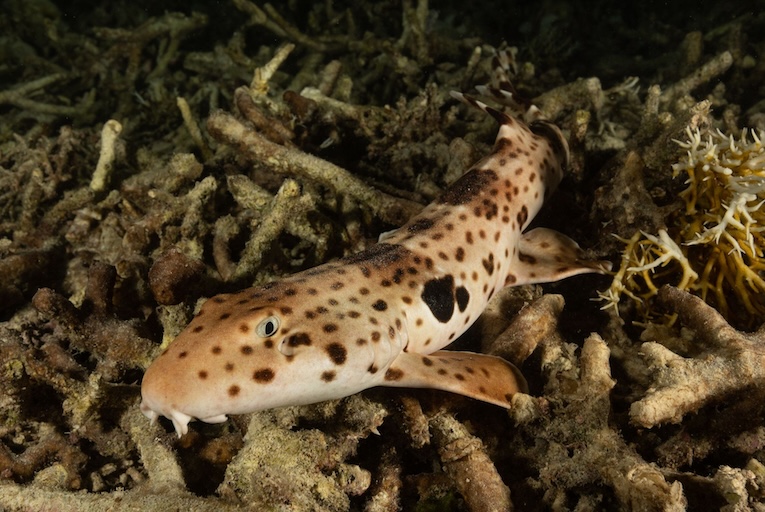
The region is also home to several endemic species, such as the Raja Ampat Epaulette Shark and certain species of mantis shrimp, which are found nowhere else on Earth. Critical species like the Napoleon wrasse and giant clam, which are under threat due to overexploitation, also thrive here. These species are integral to the ecological balance
of Raja Ampat’s reefs and are essential to the local communities that depend on them for cultural and economic purposes. Protecting these species is vital to preserving both the biodiversity and the resilience of Raja Ampat’s fragile ecosystems.
Read More about Raja Ampat’s Protected, Endangered and Endemic Species.
the coral crisis
Raja Ampat’s Vulnerabilities
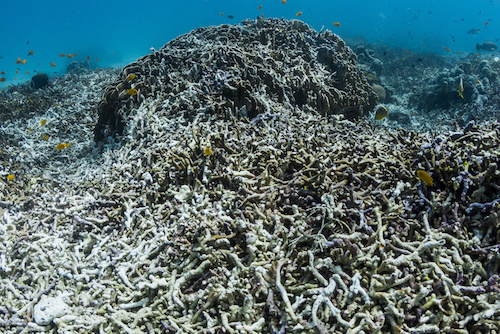
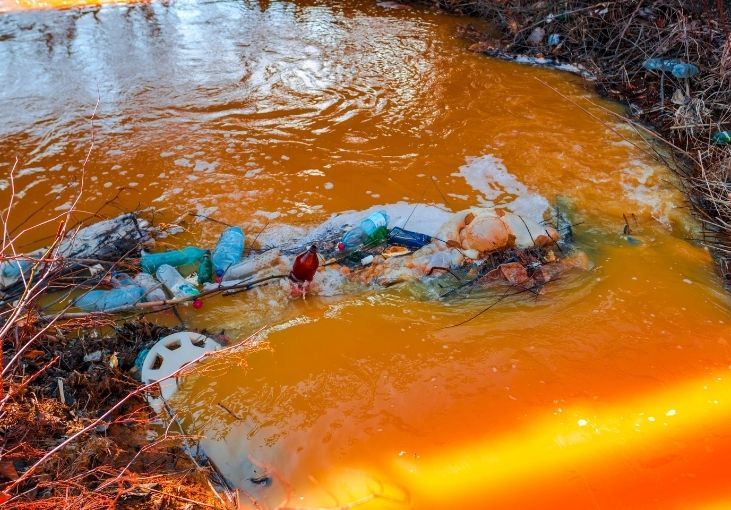
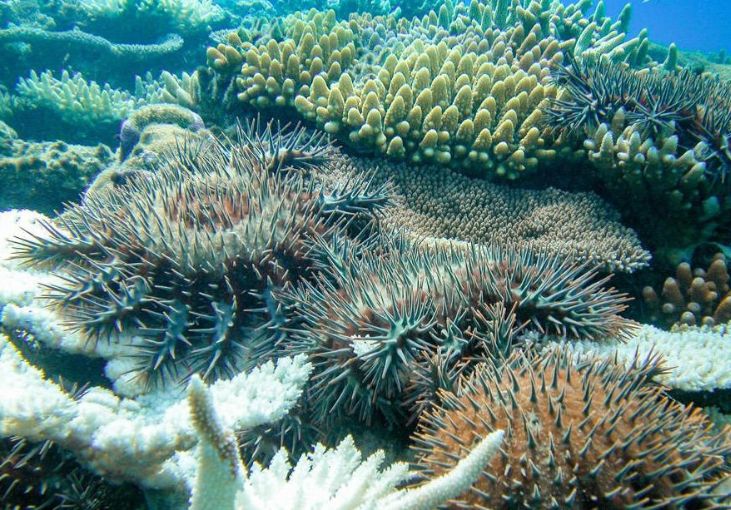
Raja Ampat’s reefs face numerous environmental challenges that threaten their health and longevity. Despite significant conservation efforts, several threats (past and present) continue to impact the region’s delicate ecosystems:
Pollution & Coastal Development:
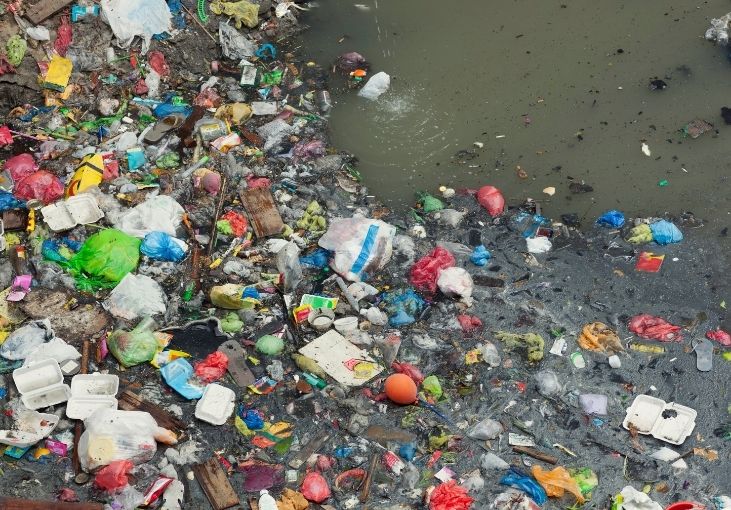
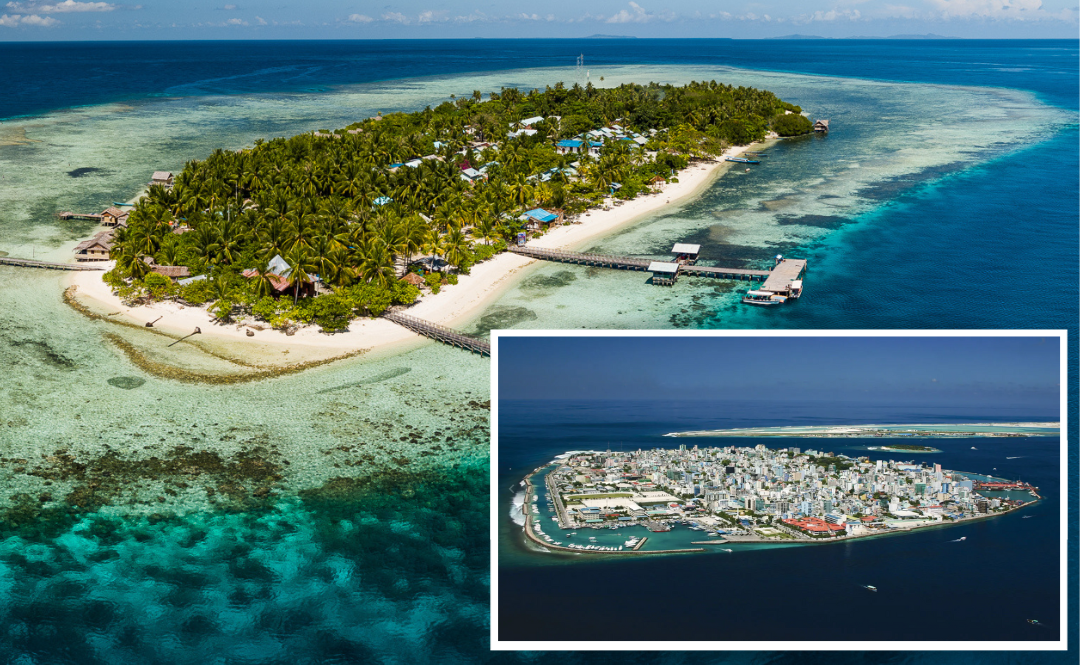
Coastal development and human activities, including the expansion of resorts, homestays, dive centers and increased maritime traffic, have led to (area specific) sediment, chemical, and nutrient pollution in the waters surrounding Raja Ampat. Runoff from urban areas has exacerbated these
impacts contributing to eutrophication and the formation of harmful algal blooms, which reduce oxygen levels and hinder coral growth. Such pollution threatens the region’s reef systems, undermining both ecological integrity and biodiversity.
Destructive Fishing Practices:
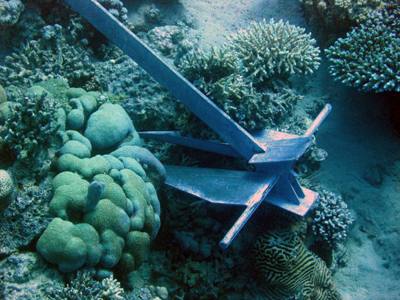
Although methods such as blast fishing and cyanide fishing are illegal in Indonesia, the legacy of these destructive practices remains visible across parts of Raja Ampat. Marine Protected Areas (MPAs) have played a crucial role in curbing such activities, yet certain reef systems remain heavily degraded and unable to recover unaided. These compromised areas pose risks to adjacent healthy reefs, which rely on stable surrounding environments to maintain resilience.
Other Risks:
In addition to anthropogenic stressors, Raja Ampat’s coral reefs are highly susceptible to natural disturbances, such as infestations of the Crown-of-Thorns starfish. Moreover, unsustainable tourism practices, continue to exert additional pressure on these vulnerable ecosystems.
To gain a deeper understanding of the specific threats facing Raja Ampat’s coral reefs and ongoing conservation strategies, click here for further information.
Local Action for Global impact
Our Conservation efforts in Raja Ampat
While global climate action remains a critical component of addressing the challenges facing coral reefs, local conservation initiatives are vital to safeguarding these ecosystems in the near term. In Raja Ampat, projects like the Yaf Keru Reef Restoration and Conservation program are focused on rehabilitating degraded coral systems while protecting those that remain healthy. These efforts directly engage local communities, employing residents to restore degraded reefs and promoting the principles of regenerative tourism. Coral reef restoration and community engagement, while not a singular solution, is an essential strategy for enhancing the resilience of ecosystems under increasing pressure. In regions like Raja Ampat, where in some areas, natural recovery is impaired by past human activity, these restoration initiatives are crucial for ensuring the long-term sustainability of coral ecosystems.
100% of your donation goes to
the field.
If left unchecked, 90% of coral reefs will be threatened by 2030, with almost all reefs facing, high, very high, or critical threat levels by 2050.
If we don’t act now, future generations will not have the privilege of seeing a live coral reef, let alone receive the benefits that coral reefs provide, including food, coastal protection, livelihoods and medicine.
In Raja Ampat, Indonesia, the most biodiverse coral reefs on Earth are under threat; rapid and unsustainable development combined with climate change threaten the future of these reefs, along with the food security, heritage and livelihoods of many.
Your contribution today has a direct impact in enabling our team to work with local people to Restore, Protect and Conserve reefs in the world’s last remaining coral stronghold.
We cannot do it alone, but with your contribution we can do it together.
100% of your donation goes to
the field.
Donateur français Cliquez ici
If left unchecked, 90% of coral reefs will be threatened by 2030, with almost all reefs facing, high, very high, or critical threat levels by 2050.
If we don’t act now, future generations will not have the privilege of seeing a live coral reef, let alone receive the benefits that coral reefs provide, including food, coastal protection, livelihoods and medicine.
In Raja Ampat, Indonesia, the most biodiverse coral reefs on Earth are under threat; rapid and unsustainable development combined with climate change threaten the future of these reefs, along with the food security, heritage and livelihoods of many.
Your contribution today has a direct impact in enabling our team to work with local people to Restore, Protect and Conserve reefs in the world’s last remaining coral stronghold.
We cannot do it alone, but with your contribution we can do it together.
Copyright © The SEA People 2016-2026. All rights reserved. This website is copyright monitored and protected.
Yayasan Orang Laut Papua is a registered NGO under the Ministry of Law and Human Rights Republic of Indonesia. Number AHU-0016408. Year 2019. The SEA People is a registered Charitable Association under the Gouvernement de la République in France (Numero Identification Siren 853074300) and serves as an administrative and fundrasing base for supporting the fieldwork of Yaysan Orang Laut Papua. Privacy Policy Terms & Conditions